
Blog
Five lessons from the London Tech Leaders Summit 2026
Is AI speeding up software delivery or just moving the bottleneck from build to governance? Are tech leaders becoming business leaders and what does that mean for the CTO role? What does “good engineering” look like now, when AI can generate code faster than teams can review it?
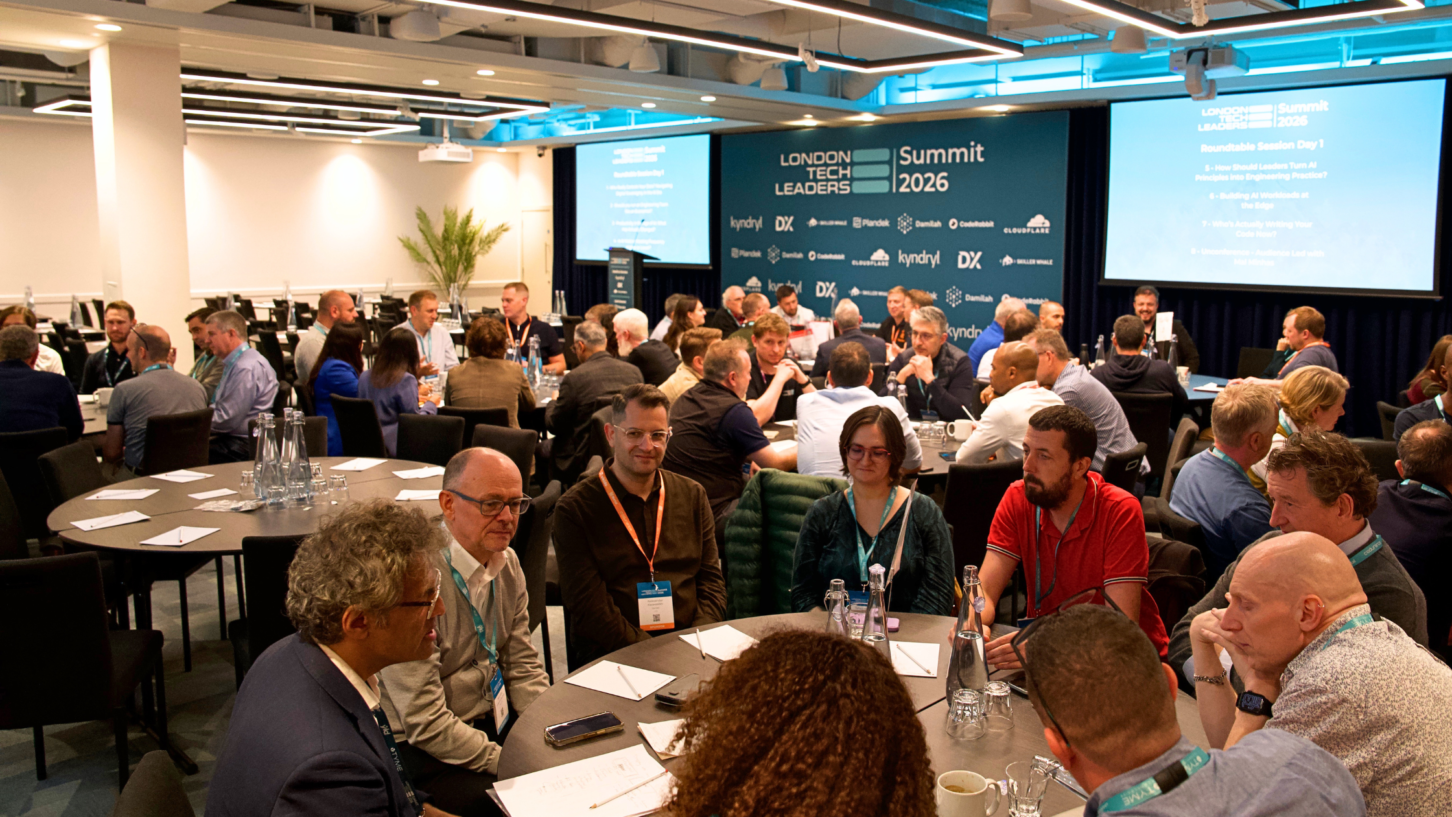
Over two days of panels, keynotes and workshops, 300+ CTOs, engineering leaders and technology practitioners gathered at the London Tech Leaders Summit to work through these questions and many more. Here are five lessons we took away.
Lesson 1. AI speeds up the build, but the bottleneck moves
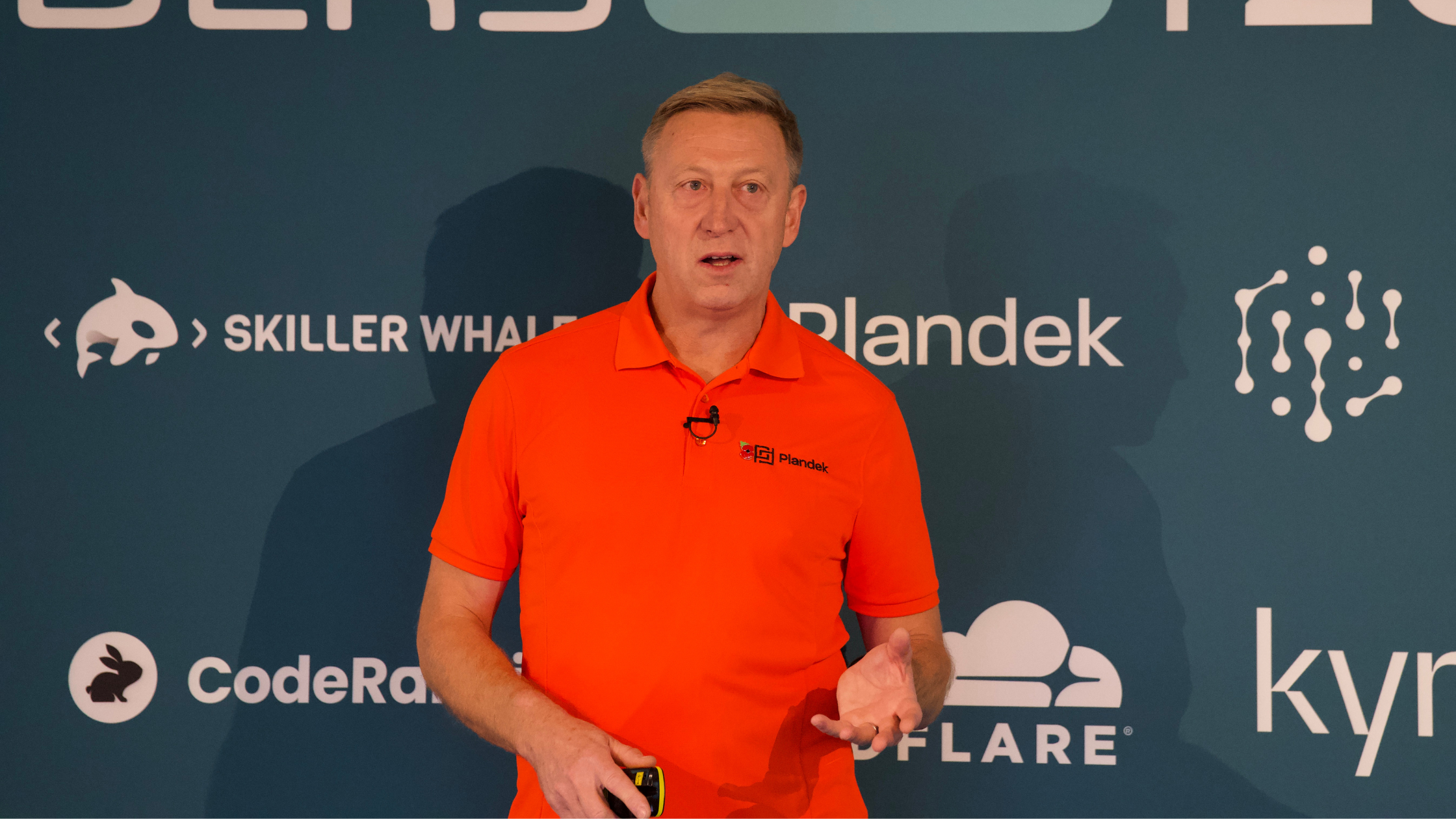
Craig Smiley, CTPO at Plandek
In his Day 2 keynote, “The boardroom translator: Why ‘vibes’ don’t protect tech budgets”, Craig Smiley, CTPO at Plandek, shared figures that showed the gap between producing more code and delivering value sooner. The team saw a 50% increase in output with AI, but only a 4% reduction in time to value. Bugs per story rose by 27%, while time spent on value-creating work fell by 9%.
The build stage became undeniably faster but pull request arrival rate rose 41% while the number of reviewers stayed the same. The software production bottleneck just moved to review, testing, release and adoption.
For leaders, the practical question is where work now waits. Adding more AI tools may do little to improve delivery if the next stage can’t keep up. Review capacity, governance and quality checks need to be part of the plan from the start.
Lesson 2. AI amplifies the foundations already in place
But with sound foundations, teams have more scope to use the extra capacity well. Vidhya Karthikeyan, Senior Director, Engineering (Data & AI) at Storio, shared how her team’s AI adoption delivered a 23% increase in throughput.
And rather than reducing headcount, the team reinvested that capacity to take on more ambitious projects.
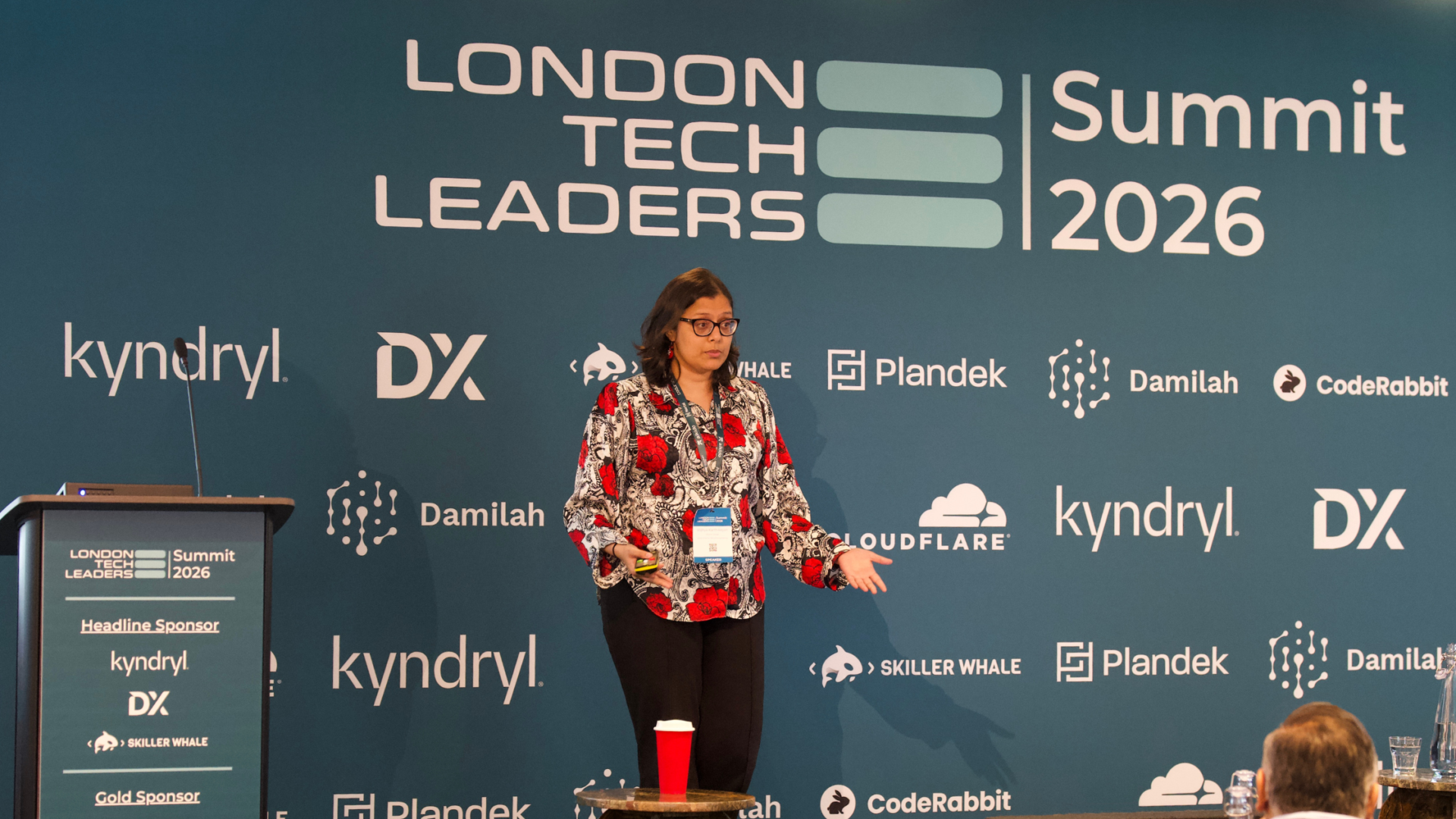
Vidhya Karthikeyan, Senior Director, Engineering (Data & AI) at Storio
For some of the software companies we work with, the foundation question often comes down to the platform itself. An older stack can make security, recruitment and new feature development harder. Where those constraints stand in the way, we discuss whether replatforming should be part of the plan before any AI capability work begins.
Lesson 3. Token costs are moving up the boardroom agenda
Earlier this year, Uber actively encouraged maximum employee AI usage, gamified adoption through internal leaderboards and set no usage ceilings or real-time cost tracking. By April, the company had spent its entire annual AI budget. Meanwhile, Royal Bank of Canada, reported a 500% increase in AI token usage in a single fiscal quarter after deploying AI across its operations.
This raises a practical question: can teams explain what their growing AI usage is delivering? As Craig Smiley put it in his keynote, productivity “vibes” will not protect AI budgets. Teams need a normalised measure of output and a way to translate AI spend into language that holds up in a boardroom.
This is one of the problems Damilah’s Multi-Agent Platform (DMAP) was built to address. It tracks token consumption and breaks down exactly what each LLM run costs, recommends the right model based on the task and your configuration, and gives teams the ability to forecast spend before it happens and compare model efficiency across workflows.
Lesson 4. Knowing what good looks like is the new competitive edge
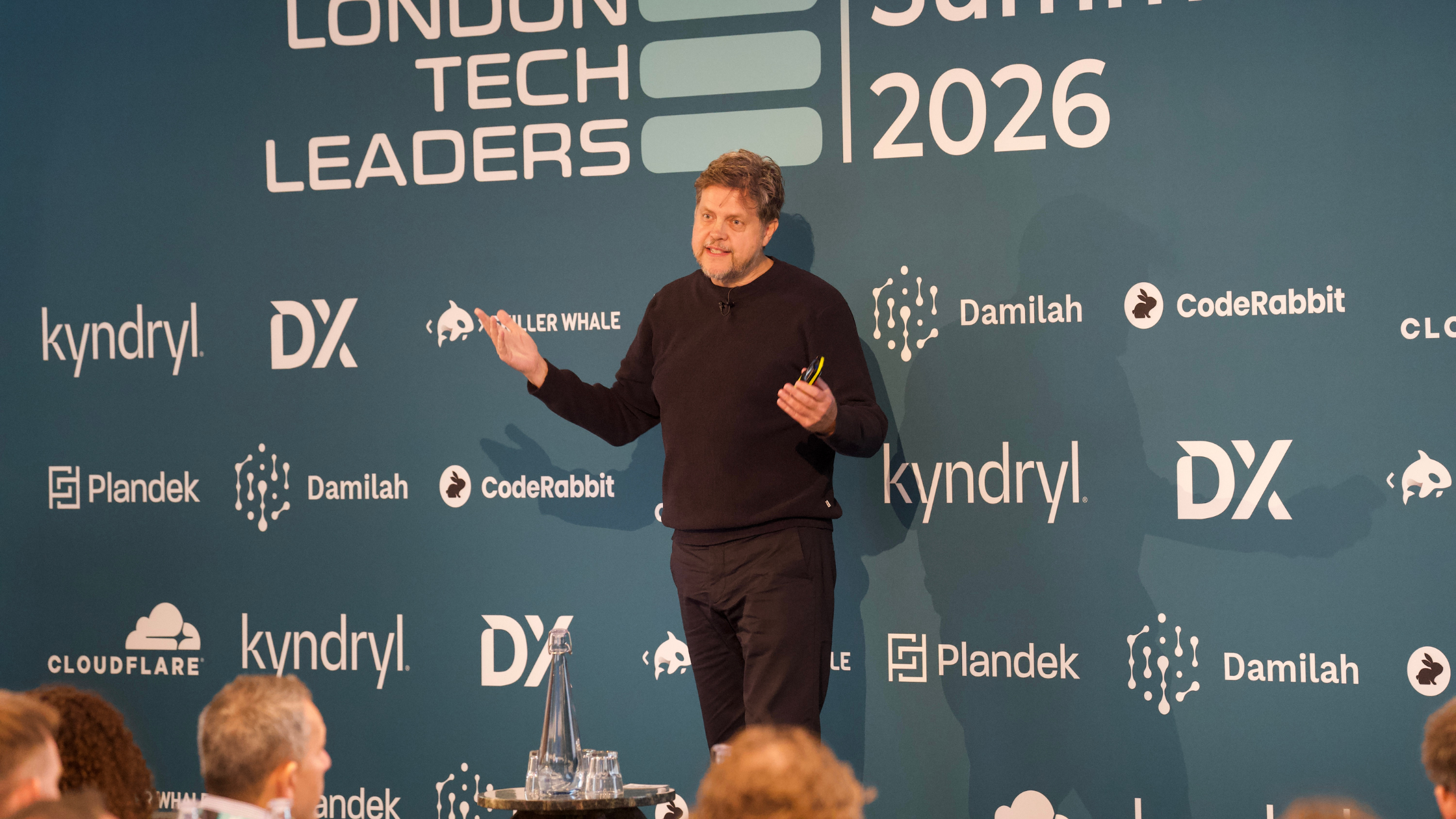
Etienne de Bruin, Founder of 7CTOs
As AI generates more code, teams need people who can assess whether it is correct, secure and architecturally sound. Etienne de Bruin, Founder of 7CTOs, framed this in his opening keynote as “taste”: not just technical knowledge, but the judgement to know when something is wrong and why it matters for the business.
Later that day, the “Strategy vs Technicality” panel offered one practical idea for keeping those skills sharp: “No-Claude Fridays”, when engineers work without AI assistance.
The intention is to give people regular practice in reasoning through problems independently.
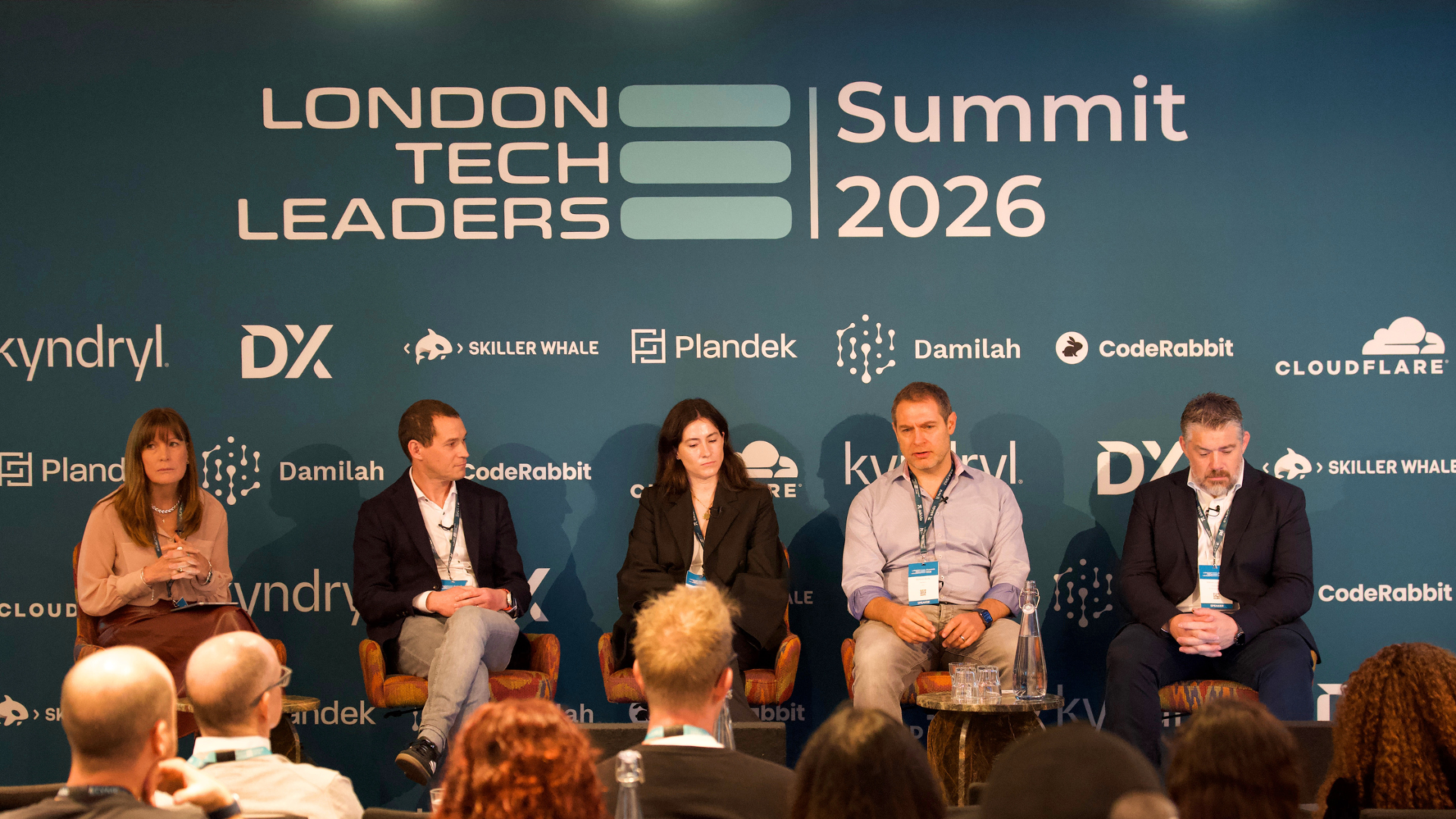
Lauren Henry, Mark Lewis, Sam Burrows, Simon Kirk, Steve Lydford
There may be a short-term slowdown, but the aim is to preserve the skills engineers need to question AI output and spot what a model has missed.
This connects to something we explored in our Engineering 2028 report, produced with CTO Craft. AI excels at execution, the “how”. Humans remain responsible for the “why”. As AI capability grows, so does the importance of the skills surrounding it: strategy, context, empathy, commercial judgement. We called this the “human moat”.
Lesson 5. The CTO role is not disappearing, it’s expanding
Across both days, speakers returned to the commercial and communication demands of technology leadership.
The CTO’s value is no longer purely technical. Leaders also need to explain investment decisions, connect delivery to business priorities and help their organisations make informed trade-offs. As Simon Kirk, CTO at Marken, put it, “tech leaders need to be working on the business, not just in it”.
Damilah’s own Iain Bishop ran a workshop on the CTO-to-CEO journey: which skills transfer, where the gaps tend to be and what the move means for the person making it. We’ll explore that discussion in more depth soon.
As AI takes on more of the execution, the human leadership layer needs to set direction, explain decisions and judge whether the work is delivering something useful. Those responsibilities deserve as much attention as the tools themselves.
The bottom line
These discussions reflected many of the questions we hear regularly from clients and partners: how to govern AI without slowing teams down, keep costs visible and maintain quality as code output grows.
We built Damilah’s Multi-Agent Platform, DMAP, to help teams manage those demands. It brings governance, token cost tracking and workflow oversight into one place, with human review built into the process.
If you’d like to see how it works in practice, get in touch to get a demo tailored to your team’s workflows or start a conversation about where AI is creating friction in your delivery process.