
Blog
Beyond the backlog: the product culture gap in near-shore software development
When tech ecosystems are shaped by outsourcing and staff augmentation, software development teams risk becoming expert executors. But, especially in the age of AI, what they need is a strong product culture: a mindset that focuses on user outcomes, not just shipped features.
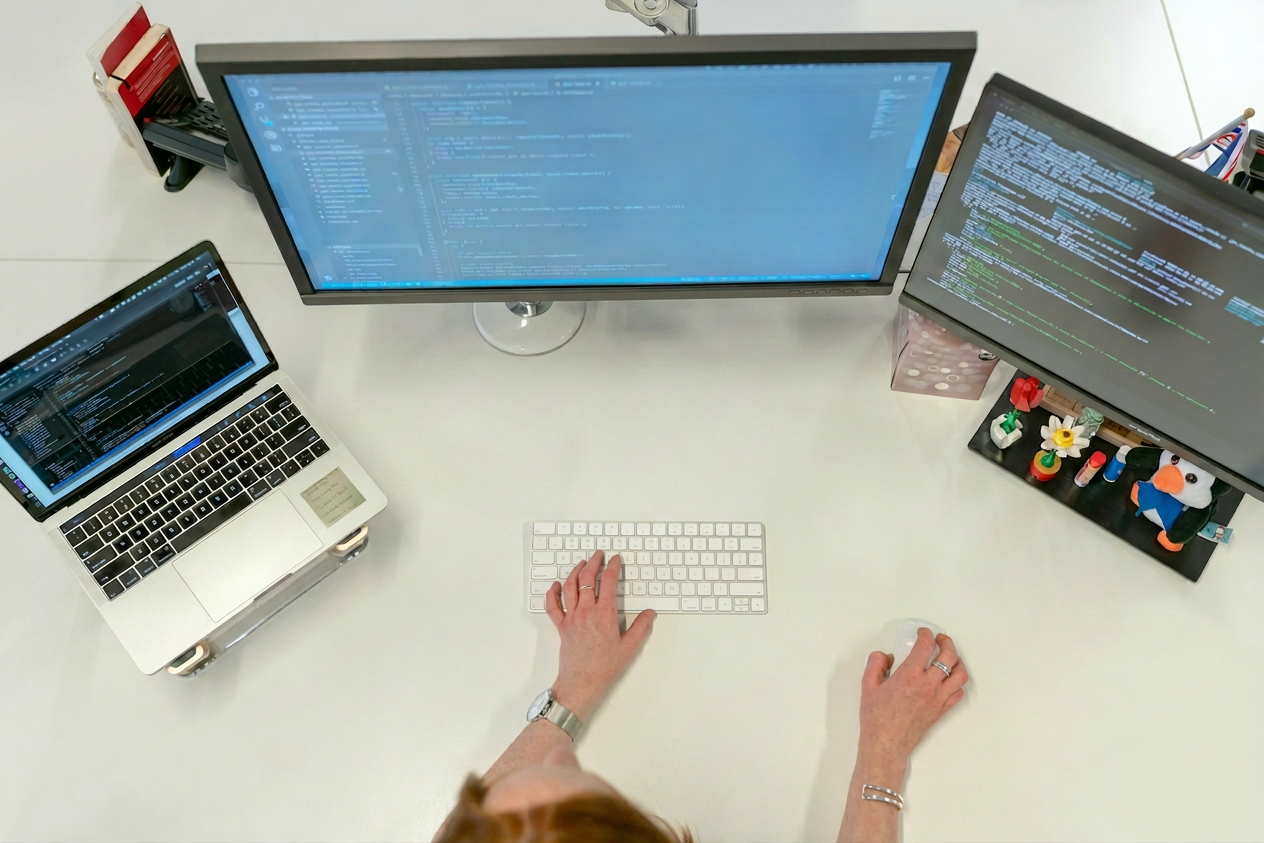
Across many of the tech ecosystems that have built reputations on software delivery, we see strong engineering talent and reliable execution, but limited experience of real product ownership.
Central and Eastern Europe is home to over 3.5 million employed IT specialists, one of the largest regional tech workforces in the world. Yet for much of the past decade, the dominant model for that talent has been outsourcing and staff augmentation: building other people’s products, to other people’s specifications. According to Dreamix’s 2026 overview of the region, the sector has only recently begun shifting beyond staff augmentation, with partners starting to expect product direction and strategic thinking alongside delivery.
North Macedonia is a good example of this dynamic. Despite a wealth of technical capability, the local industry has historically tilted heavily towards traditional IT outsourcing, exporting talent to build products for international clients.
That model has driven real economic growth. But it has also limited how product culture develops. When a company functions primarily as an outsourced partner, its teams are frequently positioned as pure executors. Requirements arrive pre-packaged from abroad, and success is measured by output – tickets closed, deadlines met, specifications followed – rather than by actual outcomes for users.
In many offshore organisations, product owners and managers act mainly as go-betweens. The role is often limited to translating external client requirements into technical user stories, managing the backlog, and feeding specifications to development teams. Because teams are rarely part of the initial problem-solving phase, they miss out on the product discovery work that surfaces real customer pain points.
“Moving away from a pure execution mindset requires shifting our definition of success. True product culture is not about how many features an organisation can ship; it is about deeply understanding user needs and developing the autonomy to create meaningful solutions.” – Olgica Strezoska, Principal Product Owner at Damilah
Inspiring cultural transformation
Cultural change begins when someone recognises a gap and decides to do something about it.
At Damilah, we are proud to have people like that on the team. One of our Principal Product Owners, Olgica Strezoska, recognised the need to strengthen product thinking within North Macedonia’s tech ecosystem. She saw that building a sustainable product culture required a dedicated foundation of community support, knowledge exchange and continuous education.

Driven by this vision, she co-founded ProdACT, a non-profit she now leads as President.
ProdACT is an educational hub for product practitioners across North Macedonia – a place to develop product thinking, learn from peers and engage with modern methodologies.
“Product culture doesn’t develop in isolation. It grows when people share what they’ve learned, challenge each other and build on each other’s experiences. That’s what ProdACT exists to create.” – Olgica Strezoska, Principal Product Owner at Damilah
Through events and curated content, Olgica advocates for outcome-focused roadmaps, user-centric design and genuine team participation in product strategy.
Building a product mindset
Olgica’s work in the community reflects the core product values we hold at Damilah. We intentionally move away from the assembly-line execution model, giving our product professionals the autonomy and tools they need to do their best work.
Product owners at Damilah operate well beyond the traditional scope. They take part in proactive product discovery, leading efforts to surface the right requirements rather than wait for the customer to pass them down. In practice, this includes:
- Direct customer research
- Continuous user testing
- Data-driven feedback
- Strategic prioritisation
Partner-shoring
As AI takes on more of the execution work, expectations of delivery partners are changing. Clients are no longer looking to hire developers to execute a static checklist. They need a partner to focus on driving their key business metrics and avoid slipping into feature factory mode.
“The biggest misconception about [modern] Eastern European outsourcing is that you’re buying hours. You’re not. You’re buying engineering judgement.” – Denis Danov, CTO at Dreamix
Instead of simply checking off tasks, your offshore/near-shore software development partner should be committed to building successful products that deliver sustainable, measurable market value. This is what we call partner-shoring – and it starts with bringing product thinking to the table: knowing which problems to solve, in which order, and why.
If you would like to work with a near-shore software development partner that brings product judgement as well as engineering strength, get in touch here to explore how we can support your next stage of growth.